How to Build a Yu-Gi-Oh Deck
A good Yu-Gi-Oh deck is not just 40 strong cards. It needs one clear plan, enough starters to begin that plan, enough interaction to survive the opponent's turn, and legal card counts under the current banlist. If you are brand new, read how to play Yu-Gi-Oh first.
Start with one plan
Choose the thing your deck is built to do: summon a boss monster, grind with traps, break boards going second, or assemble a combo. An archetype is the easiest starting point because its cards already share names, search effects, and support cards.
Use the deck size rules to stay consistent
- Main Deck: 40 to 60 cards. Start at 40 unless you have a clear reason to go higher.
- Extra Deck: up to 15 cards. Add only cards your deck can realistically summon.
- Side Deck: up to 15 cards for tournament matches. Use it for specific matchups and going first or second plans.
- Copy limits: 3 copies by default, then 2 for Semi-Limited, 1 for Limited, and 0 for Forbidden cards on the TCG banlist.
A simple 40-card shell
| Slot | Typical count | What it does |
|---|---|---|
| Starters | 9-14 | Cards that begin your main combo or search your engine. |
| Extenders | 4-10 | Cards that keep playing after your first move is stopped. |
| Interaction | 8-14 | Hand traps, traps, quick effects, and removal that stop the opponent. |
| Flex cards | 0-8 | Board breakers, tech cards, matchup answers, or extra engine pieces. |
Common staple cards to consider
Staples are cards that fit many decks because they answer common problems. They are not automatic includes, but they are useful benchmarks when you tune a list.
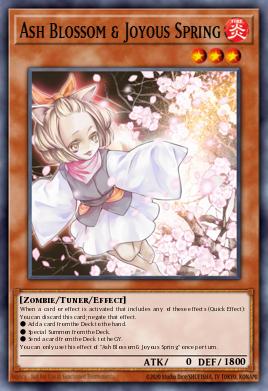 Ash Blossom & Joyous SpringTuner Monster
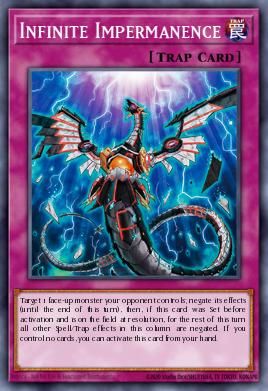 Infinite ImpermanenceTrap Card
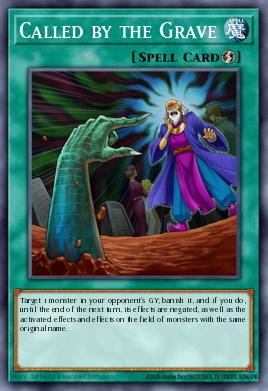 Called by the GraveSpell Card
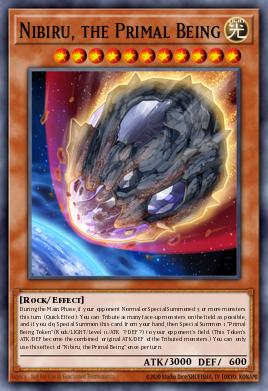 Nibiru, the Primal BeingEffect Monster
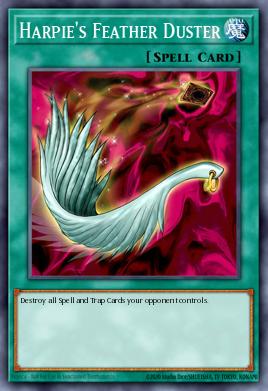 Harpie's Feather DusterSpell Card
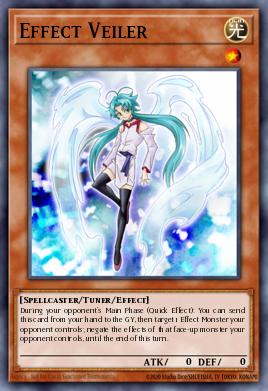 Effect VeilerTuner Monster
Test before you buy
- Draw 10 opening hands. If most hands do nothing, add starters or cut win-more cards.
- Check whether your Extra Deck cards are summonable with your real hands, not just perfect hands.
- Search key cards here to verify exact text, printings, rarities, and likely price range. If a card looks pricey, use the value guide before buying.
- Re-check the current banlist before locals or events, especially after major set releases.