How to Tell the Rarity of a Yu-Gi-Oh Card
Rarity is one of the biggest drivers of a card's value, and you can identify it quickly once you know what to look for. Check three things: the card name's lettering, the artwork's foil, and the card's texture. Once you know the rarity, use the card value guide to decide whether it is worth checking sold listings.
The quick identification table
| Rarity | How to spot it |
|---|---|
| Common | Usually no foil: plain card name and plain artwork. |
| Rare | Silver foil card name, but non-foil artwork. Confirm with the set code because product-specific rarities can look similar. |
| Super Rare | Holofoil ARTWORK, but plain card name. The art shimmers; the name doesn't. |
| Ultra Rare | Gold foil NAME plus holofoil ARTWORK. Both shine. |
| Secret Rare | Rainbow or prismatic foil name with a sparkly artwork pattern that shifts in the light. |
| Ultimate Rare | Embossed or relief foil; artwork and details often look or feel raised. |
| Ghost Rare | Pale, silvery, high-contrast artwork with a ghostly 3D look. A scarce chase rarity in products that include it. |
| Starlight Rare | Starry prismatic foil across the card surface, including the border. A high-end chase rarity in select products. |
| Quarter Century Secret Rare | Secret Rare-style foil with 25th Anniversary sparkle and a watermark/logo treatment, used for the anniversary product era. |
| Collector's / Starfoil / Mosaic / Shatterfoil | Pattern foils used in specific products (Battle Packs, Star Packs): the whole card surface carries a textured pattern. |
Confirm with the set code
Foil can be ambiguous on older or worn cards. The reliable method: read the set code printed under the artwork (e.g. RA05-EN001), look the card up here, and compare against the printings table, each printing lists its exact rarity. Every set page also shows a rarity breakdown so you know which rarities exist in that set at all. This is especially important when comparing cards against the most expensive cards ranking.
Check a real set's rarity breakdown
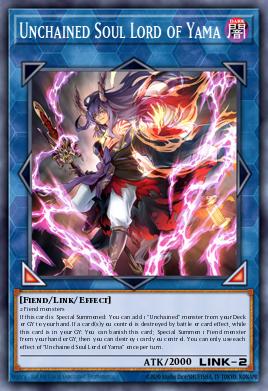 Magnificent Maestros24 cards · 2026
 Beyond the Brave100 cards · 2026
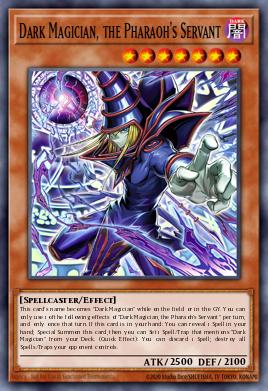 Magnificent Monsters126 cards · 2026
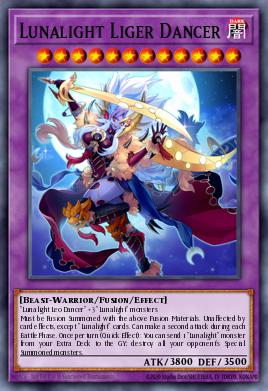 Legendary Arc-V Decks106 cards · 2026
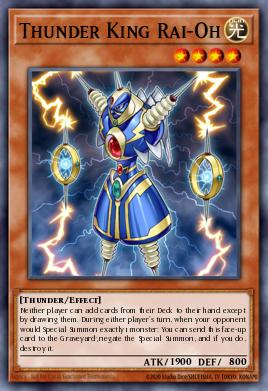 THANK YOU PACK30 cards · 2026
 Winner's Pack 2026-202740 cards · 2026
Watch out for these
- 1st Edition ≠ rarity. The gold “1st Edition” stamp affects value but is separate from rarity, any rarity can be 1st Edition or Unlimited.
- Reprints share names, not prices. An Ultra Rare from 2002 and the same card's 2024 reprint are different printings with very different values, so check the set code before comparing prices.
- Counterfeits often look off. If everything on a “Common-looking” card shines, the lettering is blurry, or the back color looks wrong, compare it against a known-real card or the official card database.